
Understanding the dual-target description
Tirzepatide is a peptide agonist at GIP and GLP-1 receptors. In scientific discussion, “dual” refers to those two receptor families. It does not describe two ingredients mixed in a container. Distinguishing a single molecule with activity at multiple targets from a combination of separate substances is an important first step when reading the literature.
Read the source before the summary
The SURMOUNT-1 publication reports a clinical study of tirzepatide. Its participant selection, treatment protocol and outcome definitions belong to that particular investigation. A headline result leaves out those conditions, so the methods and limitations deserve the same attention as the reported endpoint.
Published evidence about a pharmaceutical study preparation does not authenticate the identity, formulation or performance of an unrelated research listing. A shared compound name is not a substitute for documentation of the actual material being assessed.
Separating quantity from interpretation
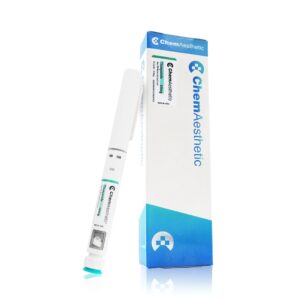
The Tirzepatide Pen 60mg specification states the total labelled peptide content. That figure describes the container. It is not a proposed dose or a basis for transferring a clinical regimen to laboratory material. Concentration, formulation and the requirements of an authorised protocol are separate matters.
Two different comparisons
Comparing tirzepatide with retatrutide focuses on the added glucagon receptor target in retatrutide’s profile. Comparing it with cagrilintide moves between different receptor systems altogether. Neither comparison supports an automatic exchange of materials or a conclusion based on the amount printed on a pen.
Keep the specification in view
The 60mg product page brings its specification and current ordering options together. This guide supports interpretation of the listing and literature, rather than personal use, treatment selection or administration.
Open the corresponding pen record
Open the individual product page for the full specification, current stock and ordering options.
Take the next reading step
How to use this information
These pages explain compound terminology and catalogue records for laboratory readers. They do not establish suitability for a study or give instructions for administration to people or animals. Use the cited papers to check the context behind a scientific claim.
Purchasers must meet the legal, institutional and ethical requirements that apply to their work. Ordering confirms that the purchaser is a qualified researcher aged at least 18 and accepts the Research-Use-Only Policy and Terms of Supply.