
The three signals behind the name
Retatrutide is a peptide investigated for activity at the receptors for glucose-dependent insulinotropic polypeptide (GIP), glucagon-like peptide-1 (GLP-1) and glucagon. That three-target profile is the reason scientific papers describe it as a triple receptor agonist. The label identifies the receptor families being studied; it does not mean the three receptors respond equally in every experimental system.
Keep the experiment attached to the result
A receptor assay, an animal study and a clinical trial answer different questions. When reading a retatrutide paper, note the model, comparator, exposure period and measured endpoint before interpreting its conclusion. A finding obtained under one protocol cannot simply be transferred to another preparation or experimental setting.
The published phase 2 retatrutide trial is one primary reference for the compound’s clinical investigation. It is evidence about the trial material and protocol, rather than verification of a separately supplied research product.
What the 40mg listing identifies
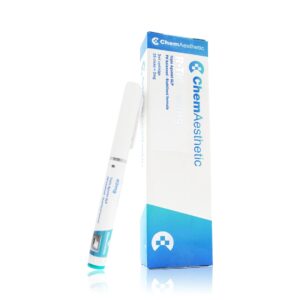
Our Retatrutide Pen 40mg reference page describes a named compound and a stated total quantity in a pen presentation. Total mass is a container specification, not an administration instruction. Establishing solution concentration also requires the stated fill volume, while interpreting an experiment requires its own documented method.
Where tirzepatide fits
Tirzepatide shares the GIP and GLP-1 receptor families in its research profile. Retatrutide adds glucagon receptor agonism to that comparison. Receptor count alone cannot establish that one compound is preferable, interchangeable or suitable for a particular use. The retatrutide–tirzepatide comparison explains how to read this distinction without treating it as a ranking.
Connecting the article to the listing
The associated pen page provides the current stock position and ordering options. This article explains terminology and points to documentation; it provides no dosing, injection or treatment instructions.
Open the corresponding pen record
Open the individual product page for the full specification, current stock and ordering options.
Take the next reading step
How to use this information
These pages explain compound terminology and catalogue records for laboratory readers. They do not establish suitability for a study or give instructions for administration to people or animals. Use the cited papers to check the context behind a scientific claim.
Purchasers must meet the legal, institutional and ethical requirements that apply to their work. Ordering confirms that the purchaser is a qualified researcher aged at least 18 and accepts the Research-Use-Only Policy and Terms of Supply.